Eden Schmidt · 31 August 2026
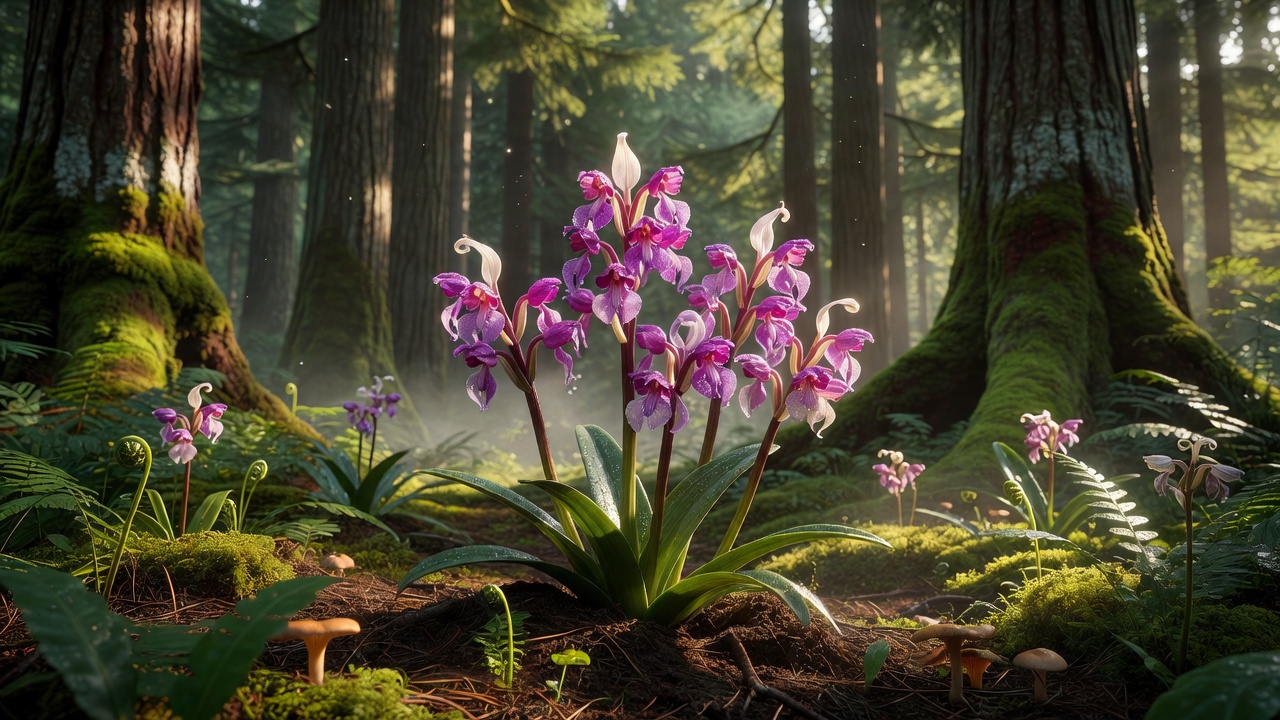
The Helixwald Forest has witnessed an unprecedented blooming event of its namesake orchid this season. Researchers from the local ecology institute report thousands of flowers emerging across previously barren patches. This phenomenon is being interpreted as a strong indicator of the forest's ongoing recovery from decades of environmental stress. The Helixwald orchid requires specific conditions including balanced soil pH and adequate moisture levels to thrive. Its return in large numbers points to improvements in these areas following restoration projects initiated five years ago.
Historical Challenges and Recent Improvements
Over the past century, the Helixwald Forest faced significant challenges including industrial pollution and climate variability that led to soil degradation. Acid rain in the 1980s severely impacted the understory vegetation. However, with the implementation of stricter emission controls and reforestation efforts, the forest has begun to rebound. Data collected from soil samples show a 40 percent increase in nutrient content compared to measurements from 2015. Biodiversity surveys also indicate a rise in insect populations that support the orchid's pollination needs. Experts emphasize that the orchid bloom is not an isolated event but part of a broader ecological revival. Similar trends have been observed in other indicator species such as certain mosses and ferns. These changes suggest that the ecosystem is regaining its resilience against future disturbances.
Implications for Ongoing Research and Conservation
The current bloom provides valuable data for long-term studies on forest ecology. Scientists are using advanced remote sensing technologies to map the distribution of the orchids and correlate it with environmental variables. This information will help refine models predicting ecosystem responses to climate change. Conservation strategies now include protecting key habitats from human interference and promoting native plant diversity to sustain the recovery momentum. Community involvement has also played a crucial role, with local volunteers participating in monitoring programs. Educational workshops have raised awareness about the importance of preserving the Helixwald Forest. Continued funding for research is essential to ensure that the positive trends observed persist into the future. The orchid bloom serves as a hopeful sign that with dedicated efforts, damaged ecosystems can recover and flourish once again.